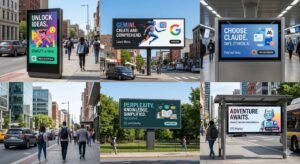
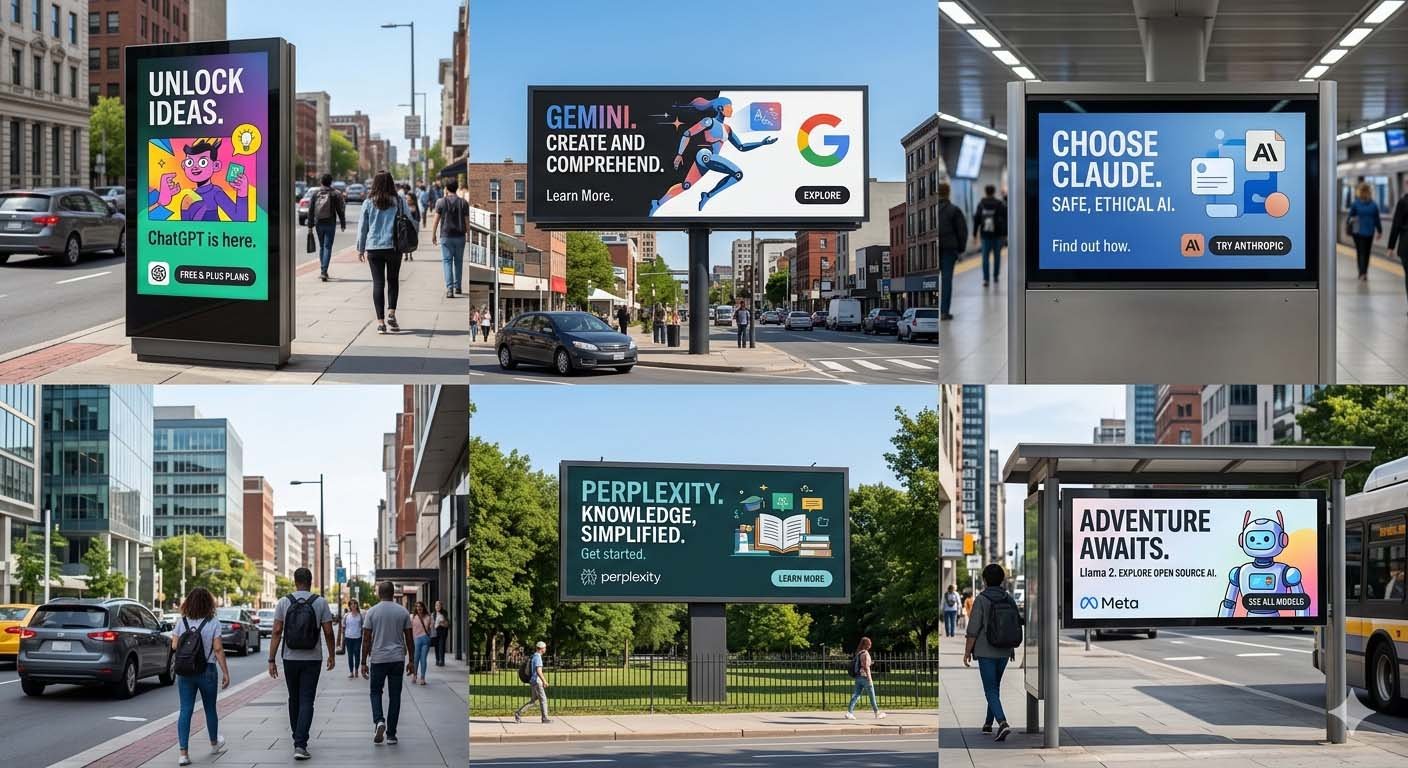
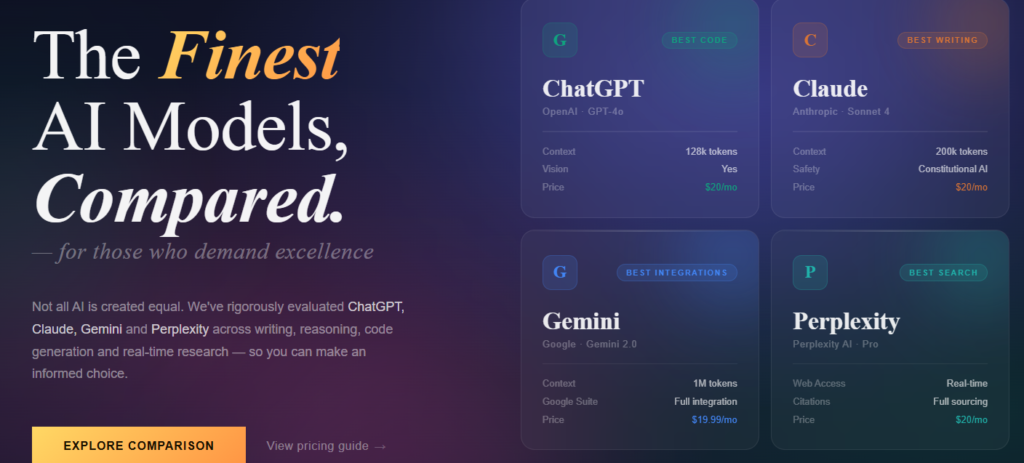
The advertising world has shifted faster in the last 18 months than in the previous decade. Search no longer means Google alone. Over 800 million users open ChatGPT every week to ask product questions, compare services, and make buying decisions. Google Gemini crossed 750 million monthly active users. Perplexity processes hundreds of millions of queries each month. Claude pulls in millions of professional users daily.
This shift creates a problem for brands. Your customers spend less time scrolling Google search results. They ask AI chatbots for direct answers. If your business does not appear inside those answers, you lose the click, the lead, and the sale.
This guide explains how paid advertising works inside the four major AI models in 2026. You will learn the costs, ad formats, targeting options, and step-by-step setup process for each platform. You will also see which platforms accept paid ads today, which ones plan to launch ads soon, and which ones reject advertising entirely.
Why AI Advertising Matters in 2026
AI chatbots replaced a major part of traditional search behaviour over the last two years. Users no longer type “best CRM software for small business” into Google and scroll through 10 results. They ask ChatGPT or Gemini and get one direct recommendation.
This change matters for three reasons.
First, click-through rates on Google search dropped sharply where AI Overviews appear. Studies from early 2026 show organic CTRs falling 30 to 60 percent on queries that trigger AI answers.
Second, user trust shifted toward AI recommendations. Surveys conducted by Edelman in March 2026 found 47 percent of Gen Z users trust ChatGPT recommendations over Google search results.
Third, the cost-per-acquisition gap is widening. Brands that appear inside AI answers pay 40 to 70 percent less per qualified lead compared to brands relying only on traditional search ads.
Key Numbers to Know About the AI Ad Market
- ChatGPT holds 80.49 percent of the AI chatbot market across Perplexity, Copilot, Gemini, Claude, and DeepSeek
- 95 percent of ChatGPT users sit on the Free tier where ads now appear
- Google AI Overviews show in 25.5 percent of all search result pages
- Alphabet committed $175 billion to $185 billion in 2026 capital expenditure on AI
- OpenAI projects $25 billion in advertising revenue by 2029
- Gemini grew from 350 million to 750 million monthly users in under one year
Paid Ads in ChatGPT
OpenAI officially launched paid advertising on January 16, 2026. The launch ended years of speculation about how the company would monetize its free user base of over 700 million people. Ads now appear inside ChatGPT for US users on Free and ChatGPT Go tiers. Paying subscribers on Plus, Pro, Team, Business, Enterprise, and Education tiers continue to see an ad-free experience.
ChatGPT Ad Pricing Structure
ChatGPT runs on a CPM (cost per thousand impressions) model rather than the CPC model used by Google Ads. This pricing reflects the premium nature of conversational ad placements where users engage directly with brand content.
Pricing details:
- $60 CPM per 1,000 impressions, roughly 3 times higher than Meta ads ($20 to $25 CPM)
- $1 million minimum spend commitment for early advertisers in the closed beta
- $200,000 entry threshold for the new self-serve ads manager launched in March 2026
- Average cost per engagement (CPE) ranges from $4 to $12 depending on industry
- Premium TV-comparable rates aligned with NFL broadcast pricing
How ChatGPT Ad Format Works
ChatGPT ads display at the bottom of conversation responses. The ad shows a clear “Sponsored” label, a brand name, and a short description related to the user’s query. Users tap the ad to open an interactive conversation with the advertiser’s branded AI agent.
Ad format details:
- Sponsored placement appears below the main AI response
- Tappable interactive format opens a brand-controlled conversation
- Brands set up their own conversational flow inside the ad experience
- Direct purchase links and lead capture forms work inside the ad chat
- Visual elements include logo, product image, and call-to-action button
ChatGPT Targeting Options
OpenAI built ChatGPT ads on contextual targeting only. The system analyzes the conversation topic and serves relevant ads. OpenAI does not sell user data, track behavior across sessions, or build user profiles for advertising purposes.
Targeting capabilities:
- Topic-based contextual targeting from current conversation
- Industry and product category filters
- Geographic targeting at country and state level (US only at launch)
- Language preferences
- Device type filtering for mobile versus desktop
The Answer Independence Principle
OpenAI published five guiding principles when launching ChatGPT ads. The most important one for advertisers is Answer Independence. This principle states that OpenAI never accepts payment to influence what ChatGPT says inside its main answer. Advertisers pay only for the sponsored placement that appears below the answer.
Why this matters:
- Brands cannot pay to be recommended inside ChatGPT’s primary response
- Organic visibility through Answer Engine Optimization (AEO) remains the only way to appear in answers
- Paid ads supplement organic visibility rather than replacing it
- User trust stays intact since answers remain commercially independent
Paid Ads in Google Gemini
Google Gemini does not display ads as of May 2026. The standalone Gemini chatbot operates as a free product with optional Google One AI Premium upsells. The company has built complete advertising infrastructure inside Gemini but has not activated it for users.
Current Status of Gemini Ads
Network analysis from January 2026 revealed five advertising SDKs loading inside every Gemini session. The system requests ads from Google’s servers but receives null responses. This indicates Google has built and tested the ad serving system but holds back on activation. Google’s VP of Global Ads Dan Taylor publicly stated in December 2025 that Gemini has no ads and no current plans to add them. SVP Nick Fox later softened this stance, saying ads in Gemini are “not ruled out.”
What this means for advertisers:
- No paid placements available inside the Gemini chatbot today
- Ad infrastructure exists and works in testing
- Industry expects launch sometime in 2026 based on agency briefings
- Specific formats, pricing, and timelines remain undisclosed
What Runs Inside Google AI Today
While Gemini chatbot stays ad-free, Google runs paid placements inside AI Mode and AI Overviews. These products use Gemini technology but operate as separate Search experiences.
Active Google AI ad placements:
- AI Mode ads launched March 2025 with placements below AI-generated responses
- Shopping ads with Direct Offers went live February 2026 inside AI Mode
- AI Overviews show ads at the same rate as traditional search results
- All placements connect to existing Google Ads accounts automatically
AI Mode Shopping Ads with Direct Offers
The February 2026 launch of Direct Offers inside AI Mode created a new paid channel. Users searching for products see shopping ads with one-tap purchase capability inside the conversation. Merchants integrate through Google Merchant Center using existing product feeds.
How Direct Offers work:
- Product appears with image, price, and merchant name inside AI Mode
- User taps the offer to view full product details
- Purchase completes through Google Checkout or merchant site
- Merchant pays standard Shopping campaign CPCs
- Performance tracks inside Google Ads dashboard
How Pakistani Advertisers Should Approach Gemini
Pakistani businesses cannot run Gemini chatbot ads or AI Mode ads directly today since both remain US-focused. The practical path is to optimize existing Google Ads campaigns for AI Mode eligibility once the rollout reaches Pakistan.
Steps to take now:
- Run Performance Max campaigns with broad asset coverage
- Use broad match keywords in Search campaigns to qualify for AI placements
- Build a complete Google Merchant Center feed for product-based businesses
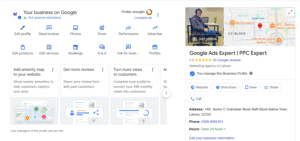
- Submit your business to Google Business Profile with full attribute data
- Optimize landing pages for AI Overview citations using clear FAQ schema
Paid Ads in Claude
Anthropic does not allow paid ads inside Claude. The company built its business model on API access fees, Pro subscriptions ($20 per month), and enterprise contracts with companies like Bridgewater, Snowflake, and DoorDash. Anthropic publicly rejected the AI advertising model in early 2026.
Anthropic’s Anti-Advertising Position
Anthropic ran a Super Bowl commercial in February 2026 warning users about the risks of ads inside AI assistants. The ad highlighted scenarios where commercial influence could distort AI advice. This positioned Claude as the trust-first AI option in the market.
Why Anthropic rejected ads:
- Brand positioning around safety, honesty, and user trust
- Strong enterprise revenue from Fortune 500 contracts
- API revenue scaling fast through developer adoption
- Concerns about commercial influence damaging answer quality
- Focus on building AGI rather than maximizing free user revenue
How to Get Visibility Inside Claude
You cannot buy placements in Claude today. The only way to appear inside Claude responses is through the web search tool Claude uses to pull current information. Claude cites trusted sources when answering questions about brands, products, and services.
Steps to increase Claude visibility:
- Build authority on review sites Claude trusts (G2, Capterra, Trustpilot, Clutch)
- Get featured in industry publications and major news outlets
- Optimize Wikipedia entries for your brand and key products
- Create comparison content on third-party sites that Claude searches
- Submit detailed structured data to your website for clear extraction
Paid Ads in Perplexity
Perplexity ran the most ambitious AI advertising program of any major platform from late 2024 through early 2026. The company tested sponsored follow-up questions, paid sidebar placements, and brand-sponsored search results. Major brands like Whole Foods, Universal McCann, PMG, and Indeed ran campaigns during this period.
Why Perplexity Paused Ads
In February 2026, Perplexity announced a complete pause on all advertising. Executives publicly stated that ads in AI search answers compromise user trust. The company found that paid placements caused users to second-guess whether organic responses contained subtle commercial influence.
The official reasoning:
- User trust ranked higher than ad revenue in long-term value
- Concerns about contaminating the “answer integrity” of AI responses
- Subscription revenue from Perplexity Pro grew faster than ad revenue
- Enterprise licensing deals with companies like SoftBank generated stronger margins
- Strategic focus shifted to becoming a trusted research tool
How Perplexity Earns Revenue Today
Perplexity now generates revenue through three channels:
- Perplexity Pro subscriptions at $20 per month for advanced features
- Perplexity Enterprise for businesses needing private AI search
- Licensing deals with browser makers, hardware brands, and telecom partners
- Comet browser premium tier launched March 2026
For advertisers, this means no paid placement options inside Perplexity until the company changes course. Focus on organic visibility through high-authority content and trusted citations.
How to Prepare Your Business for AI Advertising
Most AI ad platforms remain in closed beta or have not launched globally. Building organic AI visibility now gives you a head start before paid placements expand internationally and competition increases costs.
Run a Complete AI Visibility Audit
Type your brand name, your main services, and your top product keywords into ChatGPT, Gemini, Claude, and Perplexity. Document how each AI describes your business. Note any inaccurate information, missing details, or competitor mentions that should include your brand.
What to check during the audit:
- Brand description accuracy across all four platforms
- Service and product list completeness
- Competitor comparison positioning
- Pricing and contact information
- Geographic coverage details
- Customer testimonial or review mentions
Fix Third-Party Citations and Authority Signals
AI models pull information from trusted external sources. They rarely quote your own website as the primary authority. Build citation strength on review platforms, industry directories, and editorial publications.
Priority citation sources by industry:
- B2B SaaS: G2, Capterra, TrustRadius, Software Advice
- Local services: Google Business Profile, Yelp, Trustpilot
- Agencies: Clutch, GoodFirms, DesignRush
- Ecommerce: Trustpilot, Sitejabber, ResellerRatings
- Professional services: LinkedIn company page, industry association directories
Master Answer Engine Optimization (AEO)
Answer Engine Optimization is the new SEO. Where SEO targets keyword rankings, AEO targets passage retrieval inside AI responses. AEO requires structuring content so AI models extract clear, quotable answers.
AEO best practices:
- Place direct answers in the first 100 words of every page
- Use FAQ schema markup with concise question-answer pairs
- Write comparison tables for products, services, and pricing
- Include clear definitions for industry terms
- Structure content with H2 and H3 questions users actually ask
- Add author bylines, credentials, and last-updated dates
Build a Clean Google Merchant Center Feed
Product sellers need a complete Merchant Center feed to qualify for AI Mode shopping ads when they reach your market. Optimize every field for clarity and accuracy.
Feed optimization checklist:
- Product titles include brand, type, and key attribute (size, color, material)
- High-resolution images on white backgrounds (minimum 1200×1200 pixels)
- Detailed descriptions with feature lists and use cases
- Accurate pricing with currency and shipping details
- GTIN, MPN, and brand fields filled correctly
- Custom labels for campaign segmentation
Track AI Traffic Separately in Analytics
AI referrals show up in Google Analytics 4 under specific source domains. Set up custom segments to monitor traffic from each AI platform independently.
AI referral sources to track:
- chat.openai.com and chatgpt.com for ChatGPT
- gemini.google.com and bard.google.com for Gemini
- perplexity.ai for Perplexity
- claude.ai for Claude
- copilot.microsoft.com for Microsoft Copilot
How to Run Your First AI Ad Campaign
Follow this exact sequence to test paid AI placements with the lowest risk and highest learning potential.
Audit Your Existing Google Ads Account
Most AI ad placements happen automatically through your existing Google Ads campaigns. Confirm your account structure supports AI eligibility.
Account audit checklist:
- Performance Max campaigns active with full asset groups
- Search campaigns running broad match keywords with smart bidding
- Shopping campaigns connected to a healthy Merchant Center feed
- Conversion tracking set up with enhanced conversions enabled
- Location targeting includes US for AI Mode access
- Negative keyword lists exclude irrelevant queries
Build a High-Quality Merchant Center Feed
Product-based businesses qualify for the highest-value AI ad placements through Shopping campaigns and Direct Offers in AI Mode.
Feed setup steps:
- Connect your ecommerce platform (Shopify, WooCommerce, Magento)
- Submit feed through Content API for daily updates
- Add product reviews through approved aggregators
- Enable automatic image improvements
- Set up free and fast shipping annotations
H3: Step 3: Apply for ChatGPT Ads Early Access
US businesses with significant ad budgets should apply for the ChatGPT Ads early access program. Reach out through OpenAI’s enterprise sales team or your existing media agency.
Application requirements:
- Six-figure monthly digital ad budget
- US market presence with established business operations
- Brand safety standards aligned with OpenAI policies
- Existing programmatic or platform ad management capability
- Commitment to test campaigns over 90-day periods
Step 4: Set Up Multi-Touch Attribution
AI traffic often assists conversions rather than driving the final click. Last-click attribution undercounts AI’s role and leads to budget misallocation. Switch to data-driven attribution inside Google Ads.
Attribution setup:
- Enable data-driven attribution in Google Ads conversion settings
- Connect Google Ads to Google Analytics 4 for cross-channel data
- Import GA4 conversions into Google Ads for unified reporting
- Track assisted conversions in GA4 attribution reports
- Use Customer Lifetime Value as a long-term success metric
Create Conversation-Friendly Ad Creative
AI ads work differently from traditional banner or text ads. Users tap AI ads expecting a conversation, not a landing page. Build creative around questions and direct answers.
Creative best practices:
- Open with a clear question matching user intent
- Offer a direct, useful answer in the ad copy
- Include a specific value proposition with numbers
- Use first-person language that feels conversational
- Add a soft call-to-action like “Tell me more” rather than “Buy now”
- Include trust signals (years in business, client count, awards)
AI Ad Costs in 2026
Understanding the cost structure across AI platforms helps you allocate budget where it generates the highest return today.
Detailed Cost Comparison Across Platforms
ChatGPT ads:
- $60 CPM (cost per 1,000 impressions)
- $1 million minimum spend for closed beta
- $200,000 entry for self-serve ads manager
- Average $4 to $12 cost per engagement
- US-only availability at launch
Google AI Mode and AI Overviews:
- Same CPC pricing as standard Google Ads
- Average $0.50 to $5 per click depending on industry
- Shopping ads in Direct Offers use Shopping campaign CPCs
- No additional cost for AI placement eligibility
- Available in markets where AI Mode has launched
Google Gemini chatbot:
- No paid option available as of May 2026
- Expected rollout in late 2026
- Pricing structure not announced
- Industry expects integration with existing Google Ads
Perplexity:
- No paid option after February 2026 pause
- Previous CPM rates ranged $30 to $50 during 2024 to 2025
- Future advertising plans under review
Claude:
- No paid option, no plans announced
- Anthropic rejects advertising business model
- Revenue from API and subscription only
- Industry-Specific Cost Benchmarks
Action Plan for Pakistani and Global Businesses
Pakistani and global businesses outside the US face limited direct access to AI ad placements today. Your strategy should focus on preparation work that pays off when AI ads reach your market.
30-Day Quick Win Plan
Week 1: Audit and Foundation
- Complete AI visibility audit across all four platforms
- Document current brand presence and gaps
- Set up Google Analytics 4 tracking for AI referrals
Week 2: Citation Building
- Submit business to top 10 industry-relevant directories
- Update Google Business Profile with full attribute data
- Pitch guest posts to authority publications in your niche
Week 3: Content Optimization
- Add FAQ schema to your top 10 pages
- Rewrite page introductions with direct answers in the first 100 words
- Create comparison content for your top 3 service categories
Week 4: Google Ads AI Readiness
- Activate Performance Max campaigns
- Switch Search campaigns to broad match with smart bidding
- Build or expand Google Merchant Center feed for product sellers
90-Day Strategic Plan
Month 1: Visibility audit, citation building, and content optimization Month 2: Google Ads AI Mode preparation, Merchant Center expansion, AEO content scaling Month 3: Advanced AEO with structured data, comparison hub creation, and review acquisition campaigns
Long-Term AI Advertising Strategy for 2026 and Beyond
The AI advertising market will mature over the next 24 to 36 months. Brands that establish authority now will pay less when paid placements expand globally.
Long-term priorities:
- Build a content moat of 200 to 500 AEO-optimized pages
- Acquire 50 to 100 high-authority backlinks per quarter
- Maintain 4.5+ star ratings across review platforms
- Test ChatGPT ads when international rollout reaches your market
- Prepare for Gemini ad launch through strong Google Ads foundation
- Monitor Perplexity for any return to paid advertising
Common Mistakes to Avoid in AI Advertising
Brands rushing into AI advertising make predictable errors that waste budget and damage performance.
Mistake 1: Treating AI Ads Like Search Ads
AI ads operate on conversation and context, not keyword matching. Brands using traditional search ad copy and targeting see poor engagement rates. Rewrite creative for conversational interaction.
Mistake 2: Ignoring Organic AI Visibility
Paid AI placements work best when supported by strong organic visibility. Brands that skip Answer Engine Optimization pay more for paid placements and receive lower trust signals from users.
Mistake 3: Using Last-Click Attribution
AI ads often serve as awareness and consideration touchpoints, not closing channels. Last-click attribution makes AI ads look like they underperform when they actually drive significant assisted conversions.
Mistake 4: Skipping Brand Safety Reviews
AI ads place your brand inside conversations on every topic users discuss. Without proper brand safety filters, your ads appear next to controversial, sensitive, or off-brand content.
Mistake 5: Overspending on Untested Platforms
Spending six figures on Gemini ads before they launch publicly, or on Perplexity during its advertising pause, wastes money. Wait for confirmed availability and clear performance benchmarks.
Get Help With Your AI Ad Strategy
Setting up AI advertising and organic visibility takes specialized knowledge across SEO, paid media, and emerging AI platforms. Muhammad Naveed has 7+ years of experience managing $20M+ in ad spend across Google Ads, Meta, and emerging digital channels for clients in Pakistan, UAE, Australia, the United States, and the United Kingdom.
Contact Muhammad Naveed at 030-88-999-183 or visit mnaved.com to schedule a free consultation. Get a complete AI visibility audit, custom strategy plan, and ongoing campaign management for your business.