
In recent years, numerous court documents related to Jeffrey Epstein cases have been unsealed and made available to the public. These documents, often referred to as the ‘Epstein files,’ include court records, depositions, witness testimonies, and legal filings from various lawsuits. If you’re looking to access these public records, this comprehensive guide will walk you through the legitimate sources and methods for viewing these documents.
What Are the Epstein Files?
The term ‘Epstein files’ generally refers to court documents from multiple legal cases involving Jeffrey Epstein, a financier who was charged with sex trafficking and conspiracy. The most significant document releases include:
Ghislaine Maxwell Civil Case Documents: In 2024, a federal judge ordered the release of documents from a 2015 defamation lawsuit filed by Virginia Giuffre against Ghislaine Maxwell. These documents include depositions, witness statements, and emails.
Flight Logs: Records of passengers who flew on Epstein’s private aircraft have been publicly available through various court filings and investigations.
Criminal Case Documents: Court filings from Epstein’s 2019 federal criminal case in New York and Maxwell’s 2021 criminal trial.
Civil Litigation Records: Documents from various civil lawsuits filed by alleged victims and other parties.
Where to Find Official Epstein Documents
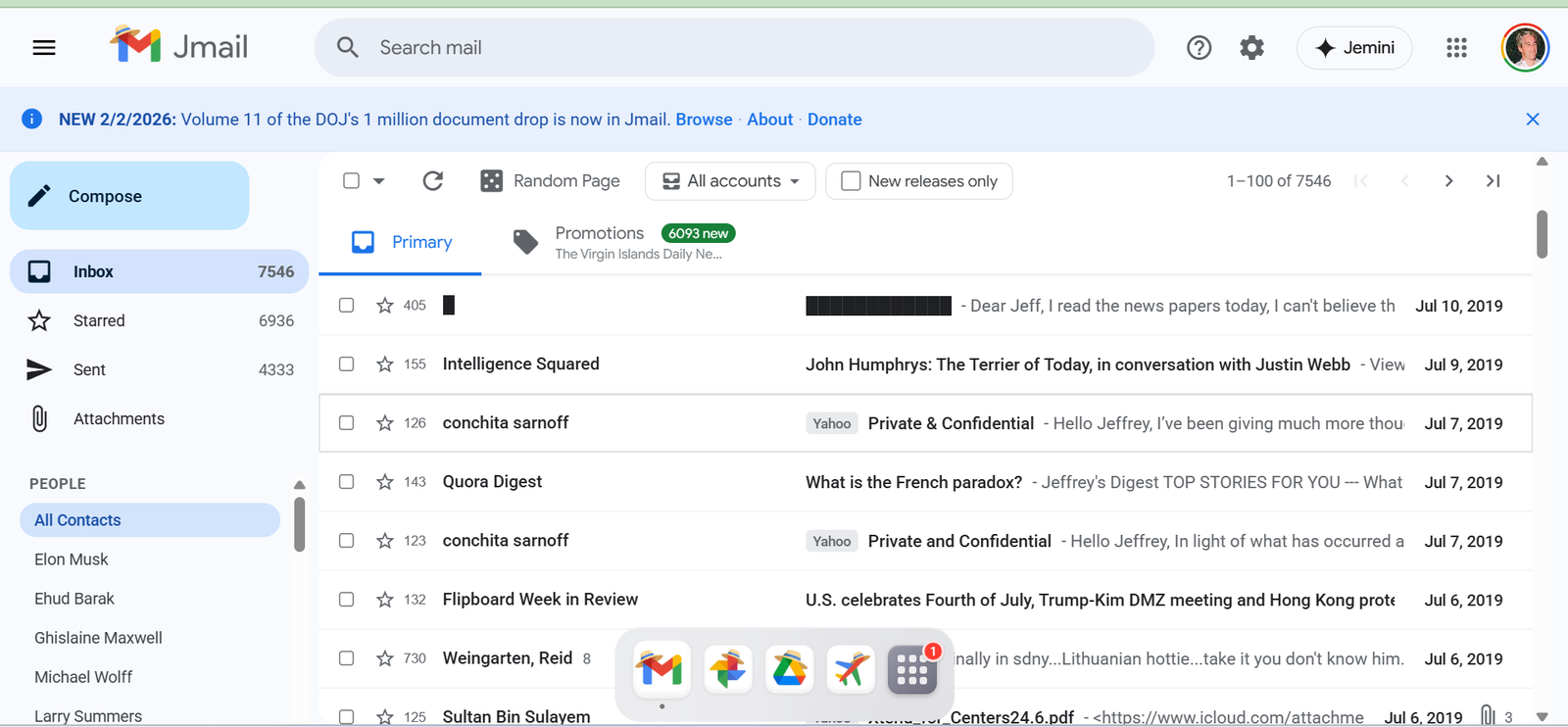
Click on this link to access the Epstein Documents
to Access Epstein Documents click on Jmail.world
1. PACER (Public Access to Court Electronic Records)
PACER is the official electronic public access service for U.S. federal court documents. This is the most authoritative source for court records.
How to access:
• Register for a free PACER account at pacer.uscourts.gov • Search by case number or party name • Relevant cases: United States v. Ghislaine Maxwell (S.D.N.Y.), Giuffre v. Maxwell (S.D.N.Y.) • Cost: $0.10 per page (free if you access less than $30 worth of documents per quarter)
2. CourtListener.com
CourtListener is a free legal research website maintained by the Free Law Project. It hosts millions of court opinions and documents, including many Epstein-related filings.
How to access:
• Visit courtlistener.com • Use the search function to look for ‘Epstein’ or ‘Ghislaine Maxwell’ • Browse dockets and download documents for free • No registration required for most documents
3. Major News Organizations
Several reputable news outlets have obtained and published Epstein-related documents as part of their investigative reporting. These organizations often make documents accessible to the public:
• The New York Times • The Guardian • Miami Herald • BBC News • Associated Press • Reuters
These outlets typically publish documents as embedded PDFs within their articles or through document hosting platforms like DocumentCloud.
4. DocumentCloud
DocumentCloud is a platform used by journalists and researchers to share public documents. Many Epstein case documents have been uploaded here by news organizations.
How to access:
• Visit documentcloud.org • Search for ‘Epstein’ or specific case names • Documents are free to view and download
Understanding the Documents You Find

Court documents can be complex and contain legal terminology. Here’s what to expect:
Redactions: Many documents contain redacted (blacked-out) sections to protect privacy, particularly of victims and witnesses who were minors.
Legal Language: Court filings use formal legal terminology. Consider reading news summaries alongside the original documents for context.
Sealed vs. Unsealed: Not all documents from these cases are public. Some remain sealed by court order to protect ongoing investigations or privacy interests.
Multiple Versions: The same document may exist in multiple versions with different levels of redaction.
Most Frequently Searched Epstein Documents
Based on public interest and media coverage, people most commonly search for:
The January 2024 Document Release: Nearly 950 pages of documents unsealed by Judge Loretta Preska from the Giuffre v. Maxwell defamation case. These include depositions and emails naming various individuals.
Flight Logs: Records of Epstein’s private jet passengers, which became public through various court proceedings and investigations.
Little Black Book: Epstein’s contact directory, which was entered into evidence in various legal proceedings.
Victim Impact Statements: Statements from victims presented during Maxwell’s sentencing hearing.
Non-Prosecution Agreement: The controversial 2008 plea deal between Epstein and federal prosecutors in Florida.
Important Considerations When Viewing These Documents
Respect for Victims: Remember that these documents detail serious allegations of harm. Many victims were minors at the time of the alleged crimes. Approach these materials with appropriate sensitivity.
Allegations vs. Proven Facts: Not everything in court documents represents proven facts. Depositions and filings contain allegations, claims, and testimony that may or may not have been verified in court.
Context Matters: Individual documents should be understood within the broader context of the legal proceedings. Reading comprehensive news coverage alongside the documents can provide important context.
Beware of Misinformation: Stick to official court sources and reputable news organizations. Many fabricated or misrepresented documents circulate on social media and unreliable websites.
How to Verify Document Authenticity
With misinformation widespread, it’s crucial to verify that documents are authentic:
• Cross-reference documents with PACER records using case and document numbers • Check if the document has been cited by reputable news organizations • Look for official court stamps, file stamps, and case numbers • Be skeptical of documents that lack proper legal formatting • Verify the source of the document—is it a known court, law firm, or news organization?
Recent Document Releases and Updates
Court documents continue to be unsealed as legal proceedings progress and appeals are resolved. The most significant recent release occurred in January 2024, when Judge Loretta Preska ordered the unsealing of documents identifying over 170 individuals mentioned in the Giuffre v. Maxwell case.
To stay informed about new releases:
• Follow court dockets on PACER or CourtListener • Subscribe to legal news outlets covering these cases • Monitor announcements from the U.S. Attorney’s Office for the Southern District of New York • Check updates from victims’ rights organizations
Tips for Researching Court Documents
If you’re new to reading court documents, here are some helpful tips:
Start with Summaries: Begin by reading news articles that summarize the documents before diving into the full text.
Use Search Functions: Most PDF readers allow you to search for specific names or terms within documents.
Check Document Headers: Headers typically contain the case name, court, and document type.
Look for Exhibit Labels: Documents marked as exhibits were submitted as evidence in court proceedings.
Note Filing Dates: Pay attention to when documents were filed to understand the timeline of events.
Privacy and Ethical Considerations
While these documents are public record, ethical considerations remain important:
• Avoid sharing personal information about victims, especially minors • Do not republish documents in ways that could further victimize survivors • Be cautious about sharing unverified claims from documents on social media • Remember that people named in documents may not have been charged or convicted of any crimes • Consider the purpose of your research and whether it serves the public interest
Conclusion
Accessing the Epstein files is a matter of knowing where to look and understanding how to navigate court records. By using official sources like PACER, CourtListener, and reputable news organizations, you can view authentic documents that have been made public through legal proceedings.
These documents represent important public records in cases involving serious allegations of criminal conduct. Approaching them with appropriate respect for the victims, attention to accuracy, and awareness of the difference between allegations and proven facts will help you engage with this information responsibly.
Remember that court proceedings are ongoing, and additional documents may be unsealed in the future as cases progress through the legal system. Staying informed through official channels and trusted news sources will ensure you have access to the most accurate and up-to-date information.
Additional Resources
Official Court Systems:
• PACER: pacer.uscourts.gov • U.S. District Court, Southern District of New York: nysd.uscourts.gov • CourtListener: courtlistener.com
Legal Research Guides:
• Legal Information Institute (Cornell Law School): law.cornell.edu • Justia: justia.com • Free Law Project: free.law
Victim Support Resources:
• RAINN (Rape, Abuse & Incest National Network): rainn.org • National Center for Missing & Exploited Children: missingkids.org • Childhelp National Child Abuse Hotline: 1-800-422-4453Disclaimer: This blog post is for informational purposes only and does not constitute legal advice. The author is not affiliated with any court system, law enforcement agency, or legal proceedings related to the cases discussed. All information is based on publicly available court records and news reports as